The 10 Best DHI Hair Transplant Clinics in Bali (2026)
Chosen from 13 clinics.
Updated
Direct Hair Implantation (DHI) is an advanced hair transplant technique that uses a specialized Choi implanter pen to simultaneously create the recipient channel and implant the graft, eliminating the need for pre-made incisions. Farmanina Clinic is the standout DHI provider in Bali, holding the distinction of being the only officially licensed DHI center in Indonesia, certified by the DHI International Academy. Founded in 2004 by Dr. Cintawati Farmanina, the clinic has over two decades of experience in hair restoration. DHI is generally considered to produce more natural-looking results due to the precise angle and depth control offered by the implanter pen. The technique is also suitable for patients who want to keep their existing hair unshaved during the procedure.
DHI hair transplant is offered at specialist clinics in Bali. DHI uses a Choi pen for direct implantation without recipient site incisions, resulting in faster recovery. Contact clinics directly for current DHI pricing and availability.
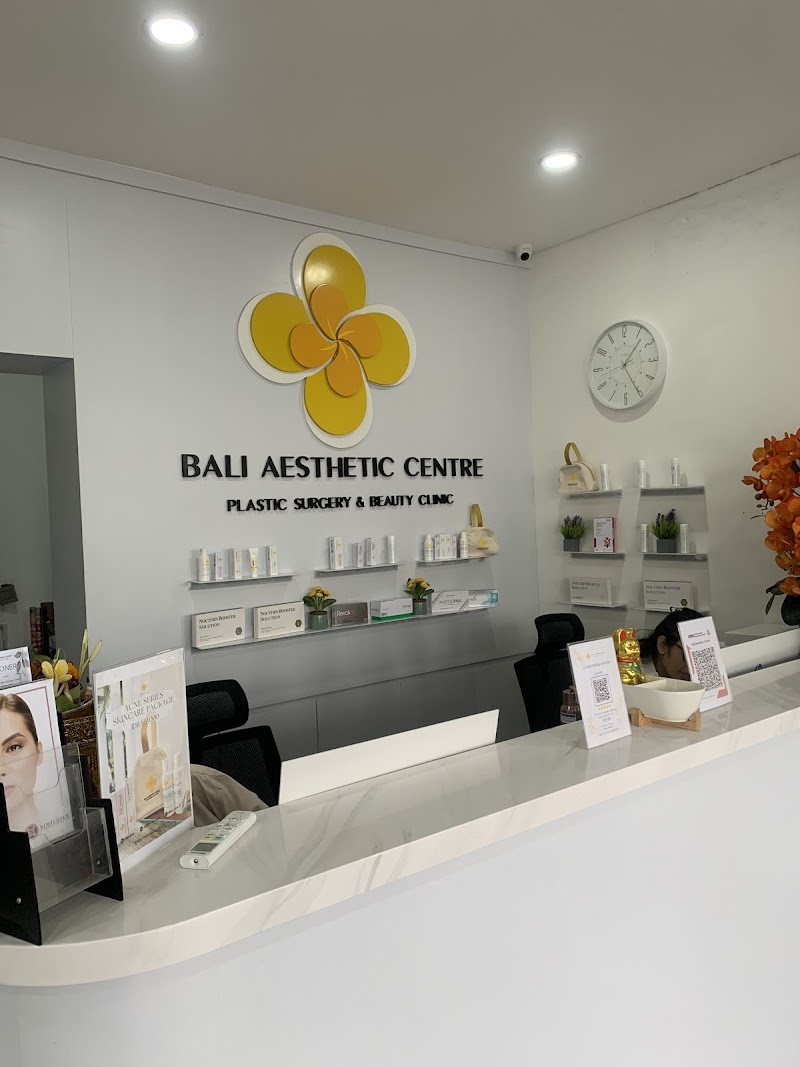
One-stop aesthetic and plastic surgery clinic in Denpasar with 474 reviews and a 5.0 rating. Offers botox, fillers, laser, rhinoplasty, blepharoplasty, liposuction, and more. Highly rated by both local and international patients.
One-stop aesthetic and plastic surgery clinic in Denpasar with 474 reviews and a 5.0 rating. Offers botox, fillers, laser, rhinoplasty, blepharoplasty, liposuction, and more. Highly rated by both local and international patients.
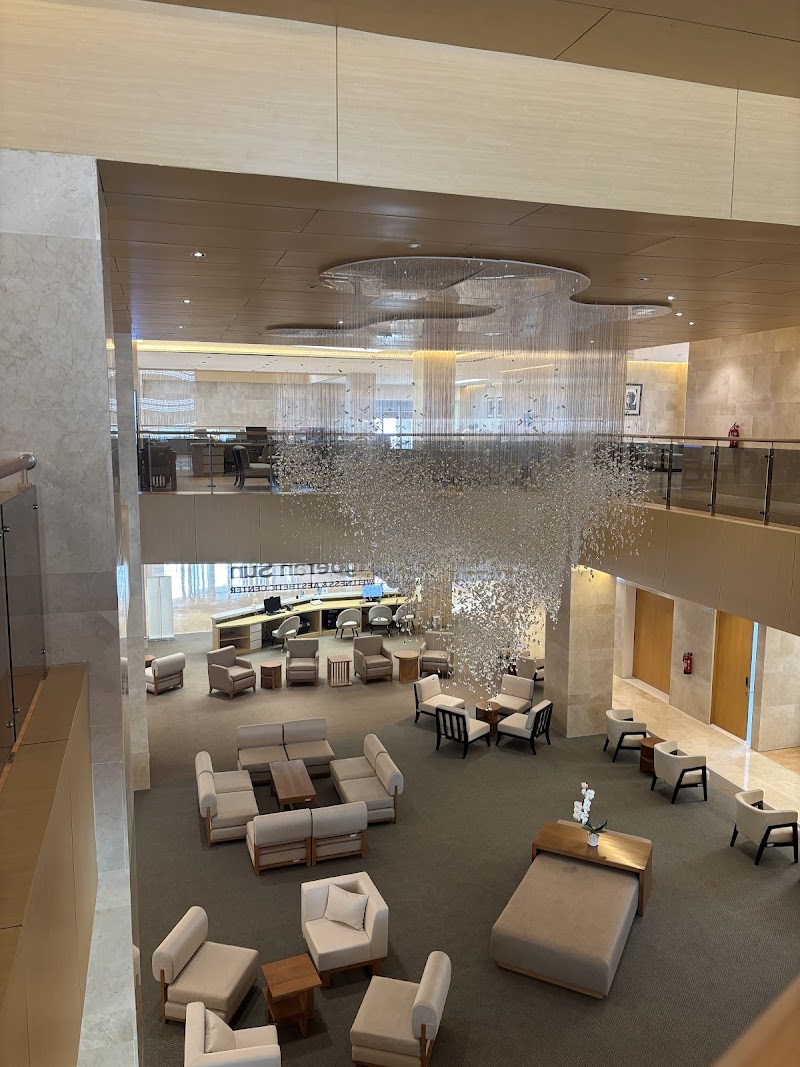
New multi-specialty center in Denpasar, opened October 2024, backed by government hospital RSUP Ngoerah and a Korean medical partnership. Two SpBP-RE certified plastic surgeons on staff. Rated 4.9 from 516 reviews.
New multi-specialty center in Denpasar, opened October 2024, backed by government hospital RSUP Ngoerah and a Korean medical partnership. Two SpBP-RE certified plastic surgeons on staff. Rated 4.9 from 516 reviews.
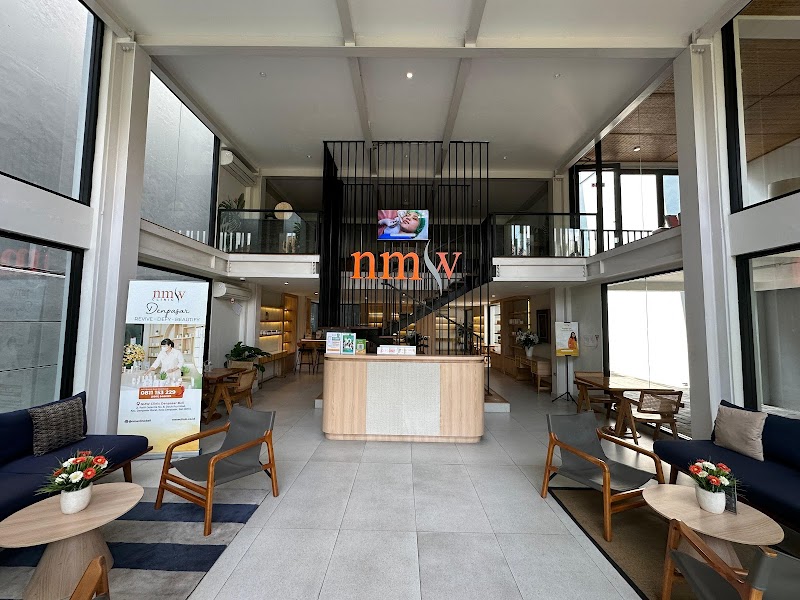
Bali branch of the NMW chain, rated 4.9 from 340 reviews. Offers plastic surgery and full aesthetics with a team of specialist doctors in a welcoming, well-organized clinic in Denpasar.
Bali branch of the NMW chain, rated 4.9 from 340 reviews. Offers plastic surgery and full aesthetics with a team of specialist doctors in a welcoming, well-organized clinic in Denpasar.
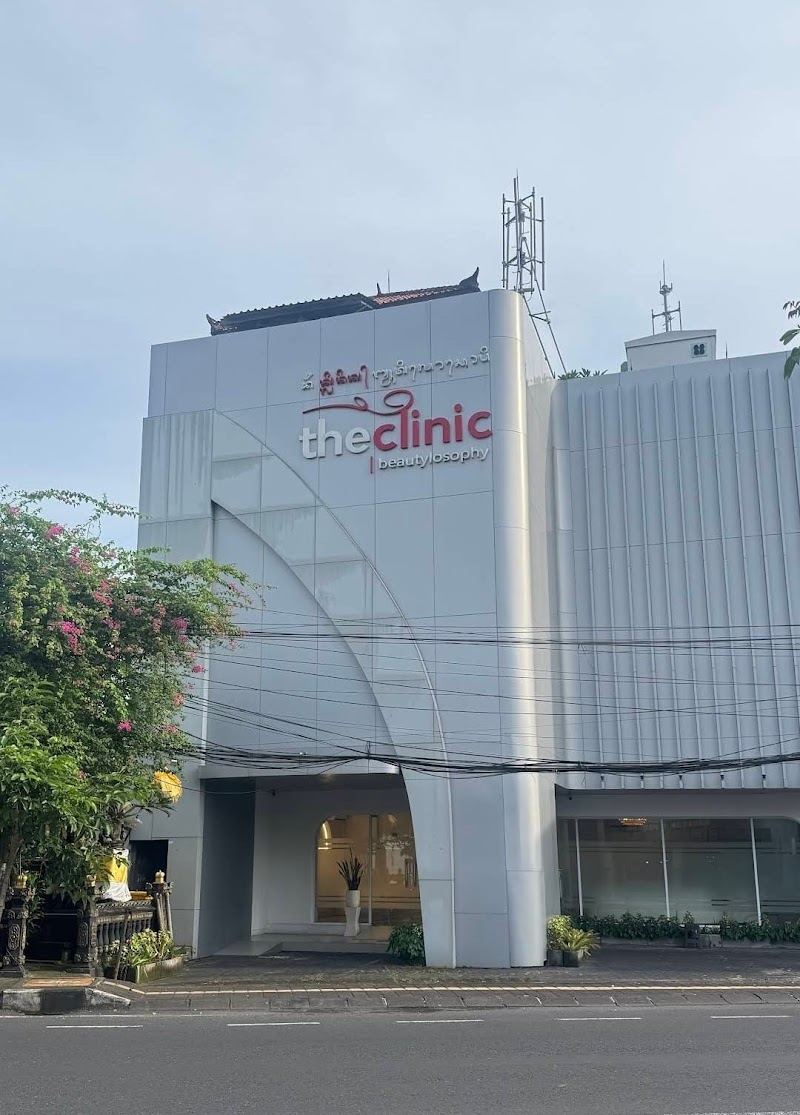
One-stop clinic in Denpasar offering plastic surgery, hair transplant, and dental care under one roof. Part of a 12-branch Indonesian chain with a 4.9-star rating. Dr. Ngurah is frequently praised for hair transplant results.
One-stop clinic in Denpasar offering plastic surgery, hair transplant, and dental care under one roof. Part of a 12-branch Indonesian chain with a 4.9-star rating. Dr. Ngurah is frequently praised for hair transplant results.
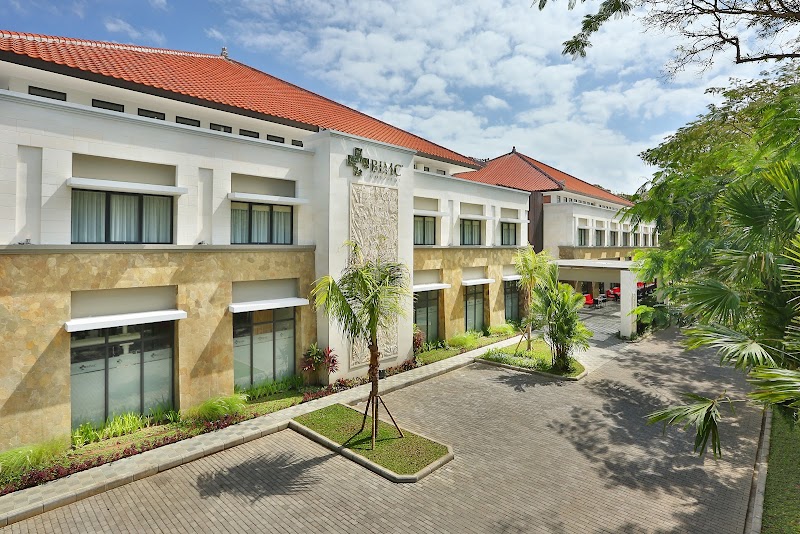
Hospital-backed surgical clinic in Nusa Dua with 179 services and 24-hour support. One of the most established cosmetic surgery facilities in Bali, rated 4.5 from 1,100+ reviews.
Hospital-backed surgical clinic in Nusa Dua with 179 services and 24-hour support. One of the most established cosmetic surgery facilities in Bali, rated 4.5 from 1,100+ reviews.
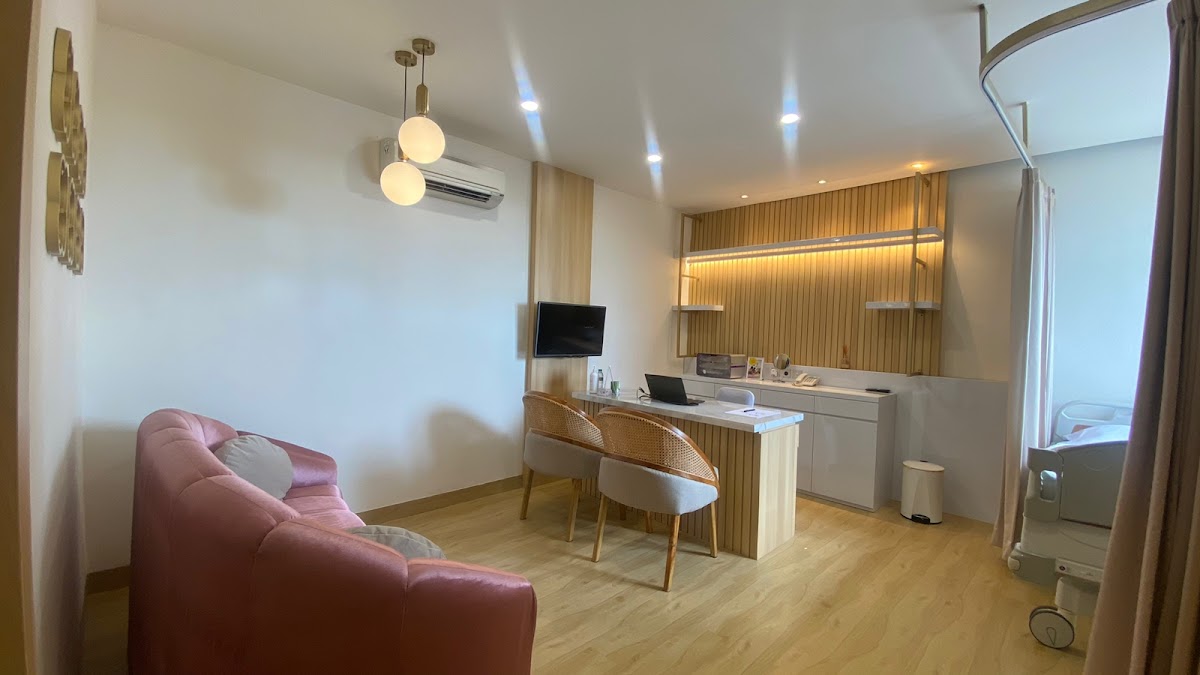
Hospital-embedded plastic surgery center in Denpasar within RSIA Puri Bunda, rated 5.0 from 67 reviews. Covers both cosmetic and reconstructive procedures under hospital-grade standards.
Hospital-embedded plastic surgery center in Denpasar within RSIA Puri Bunda, rated 5.0 from 67 reviews. Covers both cosmetic and reconstructive procedures under hospital-grade standards.
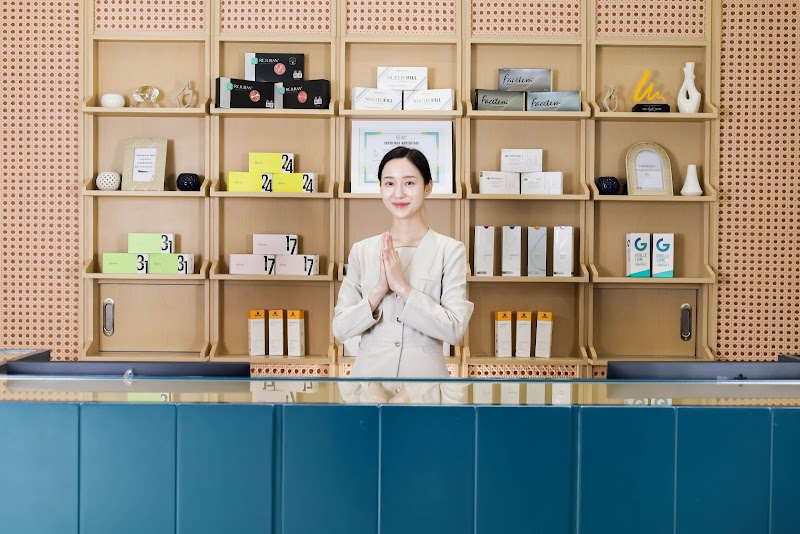
Bali's first Korean aesthetic clinic in Legian, rated 4.8 from 199 reviews. Praised across many reviews for precision, attentive care, and a premium clinical experience.
Bali's first Korean aesthetic clinic in Legian, rated 4.8 from 199 reviews. Praised across many reviews for precision, attentive care, and a premium clinical experience.
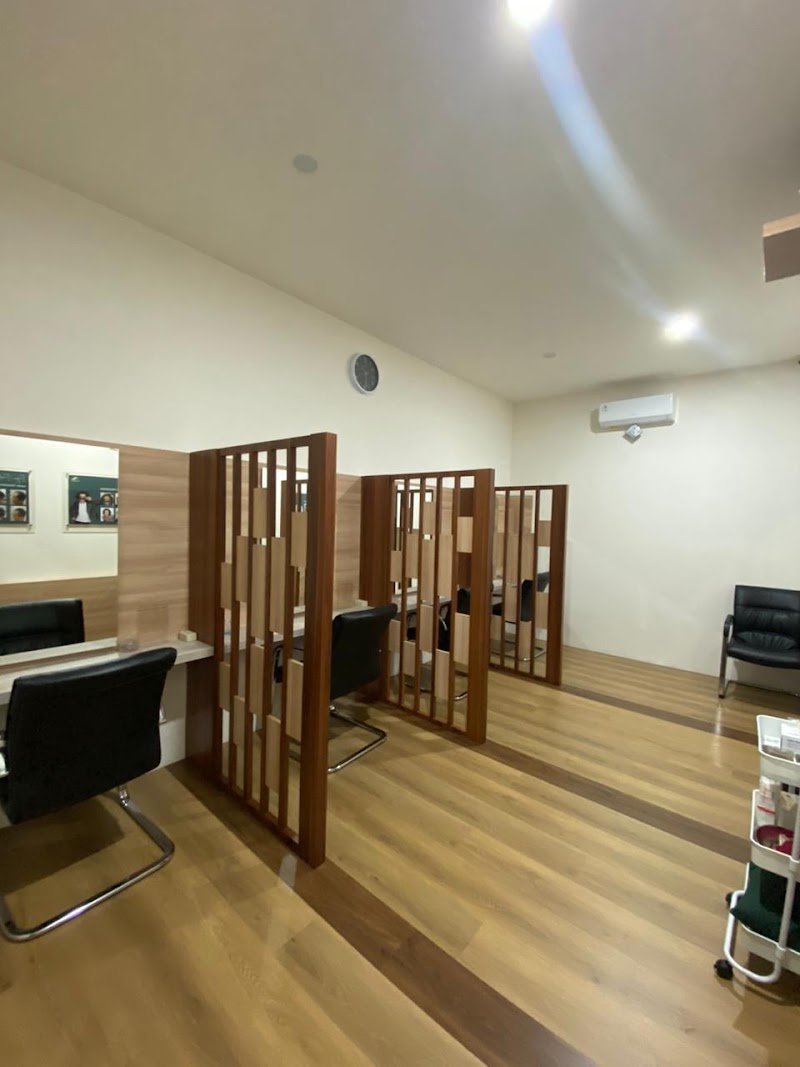
Indonesia's pioneer DHI hair transplant clinic since 2004, DHI International Academy certified. Four locations including Bali. Dr. Azka is praised for precise, pain-free procedures including large-graft cases.
Indonesia's pioneer DHI hair transplant clinic since 2004, DHI International Academy certified. Four locations including Bali. Dr. Azka is praised for precise, pain-free procedures including large-graft cases.
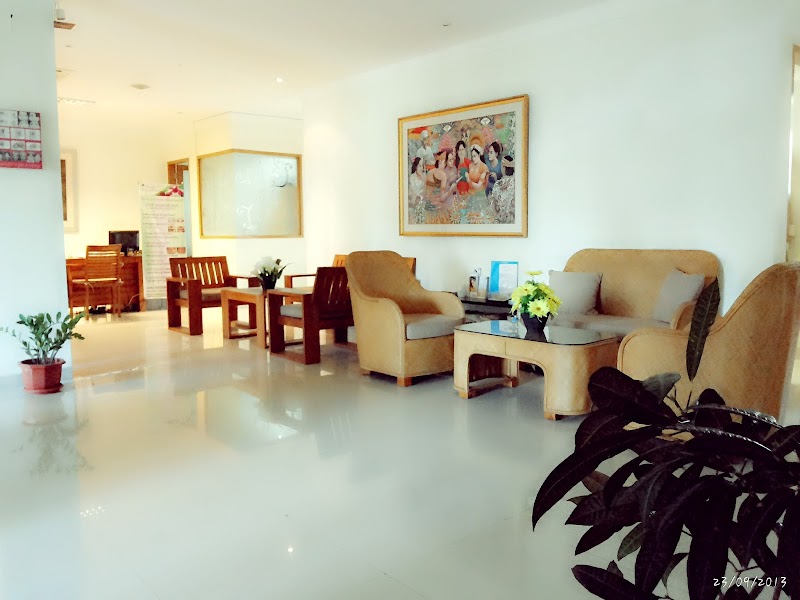
Boutique single-surgeon clinic in Legian with 25+ years of experience. Dr. Suryahadi performs surgery under local anesthesia, a rare offering in Bali. Patients from Australia and Europe return repeatedly over years.
Boutique single-surgeon clinic in Legian with 25+ years of experience. Dr. Suryahadi performs surgery under local anesthesia, a rare offering in Bali. Patients from Australia and Europe return repeatedly over years.
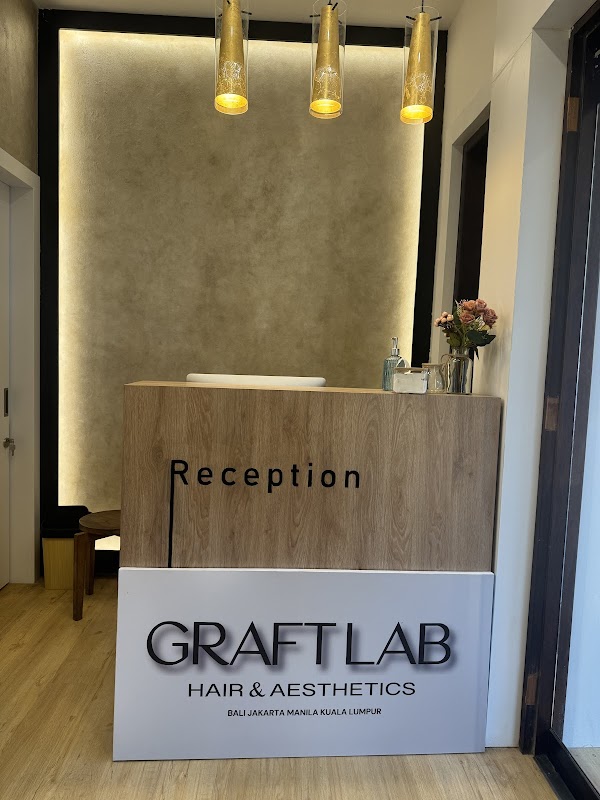
Hair transplant clinic in Bali with a perfect 5.0 rating from 22 reviews. Dr. Nurul is praised across nearly all English reviews for professional technique, clear communication, and delivering pain-free procedures.
Hair transplant clinic in Bali with a perfect 5.0 rating from 22 reviews. Dr. Nurul is praised across nearly all English reviews for professional technique, clear communication, and delivering pain-free procedures.
The best 10 of 13 Bali cosmetic surgery clinics for Hair Transplant (DHI). No published prices yet. Always confirm current pricing with the clinic directly before treatment.
Showing the best 10 of 13 clinics. See all 13 clinics →
Run a cosmetic surgery clinic in Bali? Ask us about being listed on this page
What Is DHI Hair Transplant?
Direct Hair Implantation (DHI) is an advanced hair transplant technique that uses a specialized Choi implanter pen to extract and implant hair follicles in a single step. Unlike standard FUE where recipient sites are pre-created before graft placement, the DHI pen simultaneously creates the channel and inserts the graft, allowing for more precise control over depth, direction, and angle. This results in denser packing, a more natural hairline, and potentially faster healing since the grafts spend less time outside the body. DHI is particularly suited for patients who want to add density to areas with existing hair without shaving the recipient area. The procedure takes 4 to 8 hours depending on the number of grafts, and recovery follows a similar timeline to FUE, with initial shedding at 2 to 4 weeks and full results at 12 to 18 months. Bali clinics offering DHI typically use single-use Choi pens with needles sized between 0.6mm and 1.0mm, matched to the patient's hair thickness for optimal graft survival and natural growth direction.
What Affects DHI Hair Transplant Prices in Bali?
DHI generally costs more per graft than standard FUE because it requires specialized Choi implanter pens (which are single-use) and greater technical skill from the surgeon. The number of grafts remains the primary cost factor. Clinics that specialize exclusively in DHI, like Farmanina Clinic, may offer more competitive pricing than general cosmetic surgery clinics adding DHI to their service list. Whether the procedure is performed entirely by a surgeon or partially by trained technicians affects the price. Additional services like PRP therapy, pre-operative blood work, and post-operative medications may be included in the package or charged separately. Some clinics offer combined FUE and DHI sessions for different scalp zones, which can affect the total pricing structure. The unshaven DHI option, which does not require shaving the recipient area, is sometimes priced at a premium since it requires more time and precision to work around existing hair. Patients should ask about the total number of Choi pens used per session, as higher-quality clinics use more pens for faster implantation and better graft survival rates.
Popular areas for this procedure include Denpasar, Kuta, and Sanur, where most clinics are concentrated.
Patients considering this procedure also compare FUE hair transplant.
Related Articles
Hair Transplant
FUE vs DHI Hair Transplant in Bali: Which Method Is Right for You?
Side-by-side comparison of FUE and DHI hair transplant techniques available in Bali. Covers clinics, per-graft pricing, and what to expect.
Read more →Hair Transplant
Hair Transplant in Bali: Complete 2026 Guide to Clinics, Methods and Costs
Everything you need to know about getting a hair transplant in Bali. FUE, Sapphire FUE, and DHI compared across four specialist clinics.
Read more →Frequently Asked Questions
Both DHI and FUE extract individual hair follicles from the donor area. The key difference is in implantation: FUE requires pre-made incision channels, while DHI uses a Choi pen to create the channel and implant simultaneously. DHI typically offers more precise angle control, no-shave options, and potentially faster healing. FUE is generally better suited for very large graft sessions.
DHI hair transplant in Bali is priced per graft, with total costs typically ranging from IDR 40,000,000 to IDR 80,000,000 depending on the number of grafts needed. Farmanina has offered promotional pricing of up to 30 percent off for minimum 3,500 graft sessions.
Farmanina Clinic is the only officially licensed DHI center in Indonesia, certified by the DHI International Academy. With over 20 years of experience and an 18-month post-operative care guarantee, it is the leading DHI specialist in Bali.
Yes. The precision of the DHI Choi pen makes it particularly well-suited for eyebrow restoration and beard transplant, where precise angle and direction control is critical for natural results. Farmanina Clinic offers these specialized procedures.
DHI in Bali costs IDR 35,000,000 to IDR 80,000,000 (AUD $3,500 to $8,000) depending on graft count. DHI is typically 20% to 40% more expensive than FUE due to the specialised Choi implanter pens and more labour-intensive placement technique.
DHI allows denser packing of grafts, more precise angle control for natural direction, no need to shave the recipient area (unshaven DHI), and shorter time outside the body for each graft (improving survival rate). It is ideal for hairline refinement and adding density.
No, DHI can be performed without shaving the recipient area (unshaven DHI). Only the donor area (back of the head) may need partial shaving. This is a significant advantage for patients who want to keep their procedure discreet. Discuss unshaven options with your clinic.
DHI typically takes 6 to 10 hours depending on graft count, as each graft is individually loaded into a Choi pen and placed one at a time. For large sessions (3,000+ grafts), the procedure may be split across two consecutive days.
Plan 5 to 7 days in Bali. The first wash is performed at the clinic 2 to 3 days after the procedure. Your surgeon will assess healing and provide care instructions before you fly home. Avoid direct sun on the scalp for 2 weeks.
DHI is generally preferred for hairline work because the Choi pen allows more precise control over graft angle, depth, and direction. This creates a more natural-looking hairline with individual follicle placement mimicking natural growth patterns.
DHI typically achieves 90% to 95% graft survival because grafts spend less time outside the body. The Choi pen loads and implants each graft in a single motion, reducing handling trauma. This is slightly higher than traditional FUE survival rates of 85% to 90%.
Yes, DHI is often combined with PRP (platelet-rich plasma) therapy to boost healing and growth. Some patients also use DHI to add density to areas previously treated with FUE. Discuss combination strategies with your Bali hair transplant specialist.
Avoid touching or rubbing the transplanted area for 5 days. Sleep elevated on your back. Use prescribed anti-bacterial spray. Your clinic will perform the first gentle wash at day 2 to 3. Avoid swimming, heavy exercise, and direct sun for 2 weeks. Follow your clinic's specific protocol.
Expect shock shedding of transplanted hair at 2 to 4 weeks (completely normal). New growth emerges at 3 to 4 months. Visible improvement at 6 to 9 months. Full density and final results at 12 to 18 months. DHI results tend to appear slightly earlier than FUE due to higher graft survival.
Ready to Compare Clinics?
Browse all 13+ clinics side by side.